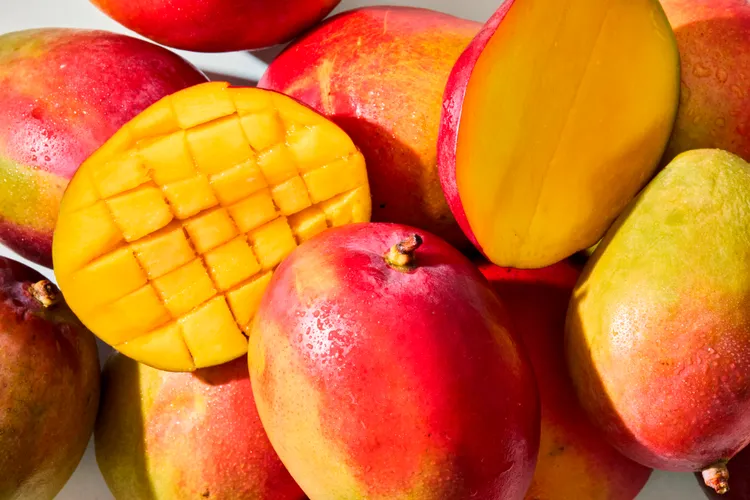
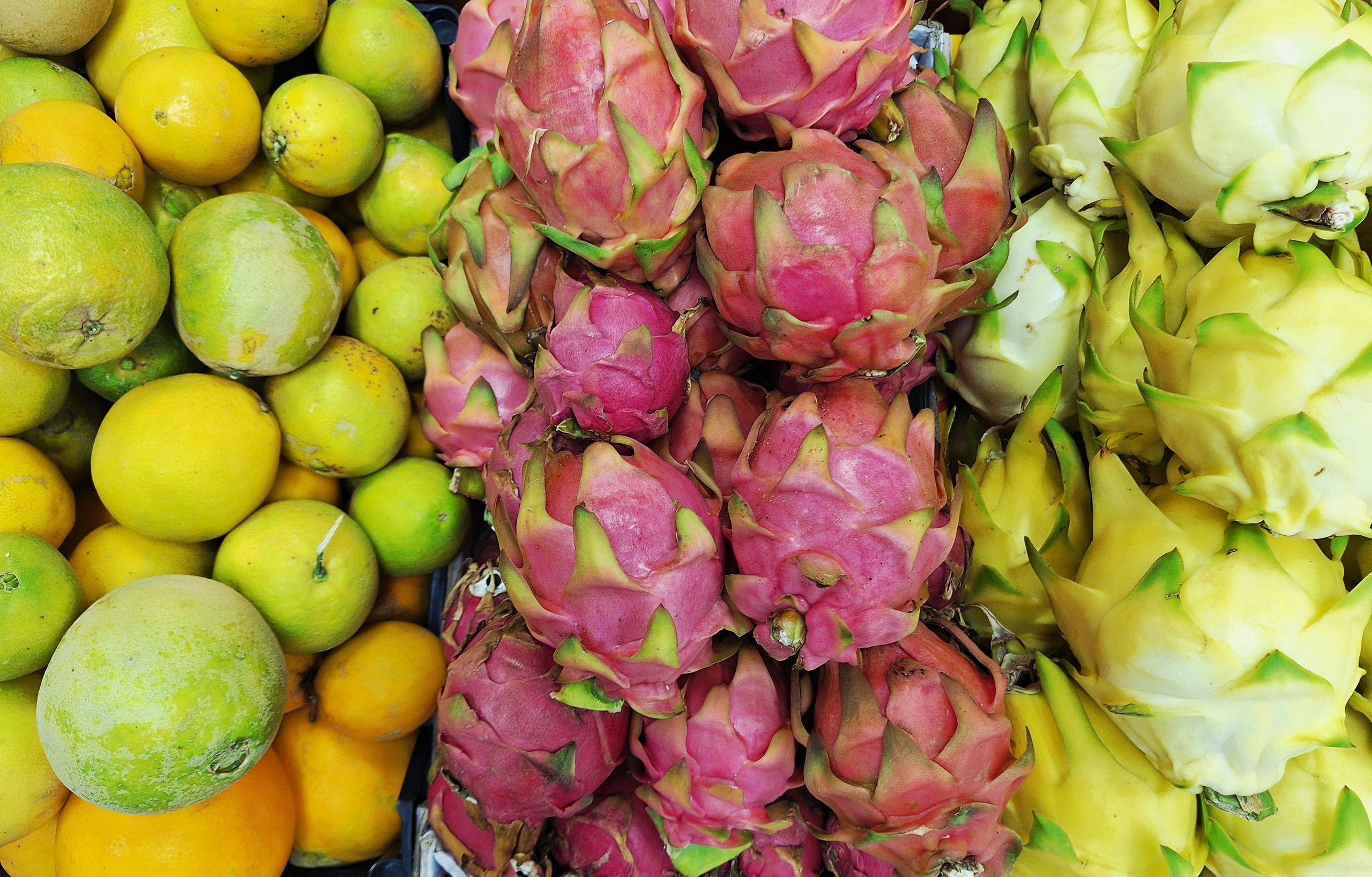
Whether you’re committed to eating more leafy greens or just excited to see the first strawberries of the season pop up at the farmers’ market, it can be easy to get a little overzealous when shopping for fresh produce. But the mistakes you make when buying fresh fruits and vegetables, such as overbuying, can quickly add up, leading to flavorless meals, wasted money, and spoiled produce.
“When produce goes to waste, so do the nutrients,” says Taiyyibah Moughal, RDN, sports dietitian and founder of Empowered Beast Nutrition in Long Island, New York. “Fruits and vegetables are key sources of fiber, potassium, vitamin C, and antioxidants that support digestion, fullness, and overall health. Missing out on them consistently adds up over time.”
We tapped Moughal, along with Marysa Anderson-Cardwell, MS, RDN, nutrition therapist and certified personal trainer at All of Nutrition, and Stacy Lofton, MS, RD, of Table 12 Nutrition Consulting, to learn all about the do’s and don’ts for buying fresh produce. Here, they share the biggest mistakes people make when buying fresh fruits and vegetables—plus, how to avoid them.
Tip: Never lose a BHG recipe again. Find a recipe you love on BHG.com? Click the heart icon to save it (and find it later) with MyRecipes.com.
Shopping without a plan.
Fresh fruits and vegetables have plenty of health benefits, but you won’t reap the rewards if those berries or leafy greens spoil before you get to using them. One of the biggest mistakes people make when buying fresh produce is grocery shopping without a plan, which often leads to food waste that could be avoided. “With my clients, I often see people buy produce with good intentions but no real idea of how they will use it,” Moughal says. “By the end of the week, it goes bad before it ever makes it to a meal.”
How to avoid
Luckily, it’s an easy mistake to fix—just start thinking about the meals you want to cook before you hit the grocery store. Anderson-Cardwell says she finds people have the most success when they plan their meals for the week and know how they will use all the fruits and vegetables they bring home. “Ideally, you buy fresh produce at least twice a week, but I know that is unrealistic for many families,” she says. “A good strategy that my family employs is to use all the fresh items at the beginning of the week, then eat the heartier produce, and then the frozen vegetables toward the end of the week.”
Relying too heavily on appearance.
If you’ve ever passed over cracked carrots or misshapen peppers in the produce aisle, you’re not alone. Most shoppers rely heavily on appearance, assuming that perfect-looking produce is fresher or more nutritious. But appearance isn’t always a quality indicator. “The biggest mistake is shopping with your eyes only instead of thinking about how you’ll actually use the food,” Lofton says. “Flawless produce may be underripe or lacking in flavor, while slightly imperfect items are often equally nutritious and just as enjoyable. Prioritizing appearance over quality cues also contributes to unnecessary waste at the store and at home. Perfect-looking doesn’t always mean better-tasting or more nutritious.”
How to avoid
Moughal says imperfect or smaller produce can be just as fresh, flavorful, and nutrient-dense as their picture-perfect counterparts. She recommends looking for the right signs for each fruit or vegetable. “For cabbage, look for a head that feels heavy, is tightly packed, and has a bright color,” she says. “For bell peppers, look for shiny skin and a firm, crisp feel.”
Overbuying highly perishable produce.
When the first fresh strawberries or peak-season tomatoes hit the market, it can be tempting to load up your shopping bag. But some produce—especially raspberries, mushrooms, and leafy greens—can spoil quickly, so it’s best not to purchase in large quantities unless you have a plan to use them immediately. “Overbuying is another frequent issue, particularly with highly perishable items that don’t get used in time,” Lofton says. Even if your intentions are good, you could wind up throwing away much of your purchase, which is not just wasteful but costly, too.
How to avoid
Again, a plan will go a long way here. “Planning meals before shopping, buying smaller quantities more frequently, and using perishable items early in the week all help,” Lofton says. “Keeping frozen produce or longer-lasting backup options on hand adds flexibility without adding waste. The key is thinking through how each item will be used before it goes into the cart.” On a similar note, Moughal recommends shopping with your actual schedule in mind and choosing produce that fits the week you have. “For a busy week, longer-lasting vegetables like cabbage, carrots, and bell peppers are more realistic than relying on delicate greens,” she says. “That way, you are not throwing away half your cart by the end of the week.”
Buying out of season.
There’s a reason shoppers get so excited to see the first ramps or peaches of the season. When produce is in season, it not only tastes better, but is more nutritious and often lasts longer. “In-season produce is often fresher, more flavorful, and can have a longer shelf life,” Lofton says. “Because it’s harvested closer to peak ripeness and travels a shorter distance, it’s also less likely to spoil quickly. This can make it easier to enjoy and use before it goes bad.” Produce purchased out of season, on the other hand, typically isn’t as fresh or flavorful, and can be less nutritious.
How to avoid
Shopping with the seasons is an easy way to guarantee that your produce is fresh, flavorful, and nutritious. That said, if you get a craving for berries or sweet corn in the off season, don’t despair. Moughal says that frozen and canned options are still nutritious and a great choice when something is out of season or your schedule is busy.
Ignoring freshness cues.
Many shoppers get so hung up on appearance that they ignore other key freshness cues such as smell or feel. “Focusing on freshness cues like firmness and smell rather than flawless appearance leads to better results at home,” Lofton says. “Texture and smell are often more reliable indicators of freshness than appearance alone. Freshness is something you feel and smell; not just something you see.” Those cues are different for every fruit and vegetable, so do a little research before making your purchase. A ripe peach, for instance, should have a slight give and a sweet aroma. When shopping for fresh asparagus, you should look for firm, bright green stalks with fresh, tightly closed tips and not much bend to them.
How to avoid
In order to buy the freshest produce possible, use your senses—and not just your sight. “It is helpful to look, smell, and touch produce to learn if it is fresh,” Anderson-Cardwell says. “Figuring out these clues often takes trial and error, but there are a lot of great hacks online to avoid bringing home spoiled produce.” Moughal also advises to keep an eye out for common signs of spoilage, such as soft spots, excess moisture in containers, slimy texture, and a sour smell. “With berries, even one piece of mold can spread quickly to the rest,” she says. “If leafy greens look wet or wilted, they are usually past their best quality.”
Want to learn more about optimizing your nutrition for performance or weight management? Follow along for evidence-based insights tailored to athletes and active individuals.